
The modern car buyer’s journey no longer begins on the dealership lot; it starts in the palm of their hand. With over 84% of automotive shoppers on social media, a powerful digital presence is not just an option it’s essential for survival and growth. An effective automotivesocial media marketing strategy does more than just showcase new models; it builds communities, fosters brand loyalty, and directly influences purchasing decisions. The days of relying solely on television spots and print ads are over. Today’s market demands a dynamic, engaging, and data-driven approach to connect with consumers where they spend their time. This comprehensive guide will explore the strategies, trends, and best practices you need to navigate the evolving digital landscape in 2026. We will cover everything from foundational concepts and winning strategies to advanced tactics and performance measurement, providing actionable insights to drive your brand forward.
What is Automotive Social Media Marketing?
Automotive social media marketing is the practice of using social media platforms to connect with current and potential customers, build brand awareness, and ultimately drive vehicle sales and service appointments. It encompasses a wide range of activities, from creating and sharing engaging content to running targeted advertising campaigns and managing customer relationships. This automotive social media strategy moves beyond the one-way communication of traditional marketing, like print or broadcast ads. Instead, it fosters a two-way dialogue, allowing brands and dealerships to listen to their audience, respond to feedback in real-time, and build authentic connections.
Why is this so critical? Because the path to purchase has fundamentally changed. Consumers use platforms like Instagram, TikTok, and YouTube for discovery, research, and validation. They watch video reviews, ask for opinions in community groups, and follow brands that reflect their values. For example, a brand like Porsche might use Instagram to showcase its design excellence and performance heritage through high-quality visuals, while a local dealership uses Facebook to promote a weekend sales event with a targeted ad campaign aimed at users within a 25-mile radius who have shown interest in a specific vehicle model. This ability to target, engage, and convert with such precision makes automotive social marketing an indispensable part of the modern marketing mix.
Building an Automotive Social Strategy for 2026?
We help brands and dealerships define clear objectives, map audience segments, design platform-specific content, and implement data-driven paid strategies that increase engagement, generate qualified leads, and improve measurable ROI.
Why Social Media is Critical for Automotive Companies
Integrating social media into an automotive company’s marketing plan is no longer a peripheral activity; it is a core driver of business success. The benefits extend far beyond simple brand exposure, creating tangible value across the entire organization.
One of the most compelling advantages is cost-effective marketing. A highly targeted social media advertising campaign can reach thousands of potential buyers for a fraction of the cost of a single 30-second television commercial or a full-page magazine ad. This efficiency allows brands and dealerships of all sizes to compete on a more level playing field.
Social media provides unparalleled capabilities for reaching new audiences. Advanced targeting and segmentation tools on platforms like Facebook and Instagram allow marketers to connect with users based on demographics, interests, online behaviors, and even life events, such as a recent move or a growing family. This ensures that marketing messages are delivered to the people most likely to be in the market for a new vehicle.
In an industry where reputation is everything, social media is a vital tool for managing reputation and navigating potential PR crises. It offers a direct channel to address customer concerns, share positive reviews, and control the narrative during challenging situations. A proactive and transparent social media response can mitigate damage and even strengthen customer trust.
It is also an essential platform for new product launches and teaser campaigns. Brands like Rivian have masterfully used social media to build hype and a loyal following long before their electric trucks hit the pavement. By sharing behind-the-scenes content, design sketches, and performance clips, they created immense anticipation and a backlog of pre-orders. Similarly, established brands like Ford use platforms like Instagram and YouTube to tease upcoming models like the new Mustang, generating buzz and media attention.
Finally, social media is an invaluable resource for understanding customer sentiment and improving products. By monitoring conversations, comments, and reviews, companies like Toyota and Audi can gather real-world feedback on vehicle features, performance, and the overall ownership experience. This data provides actionable insights that can inform future product development and service enhancements.
Top 10 Automotive Social Media Trends for 2026
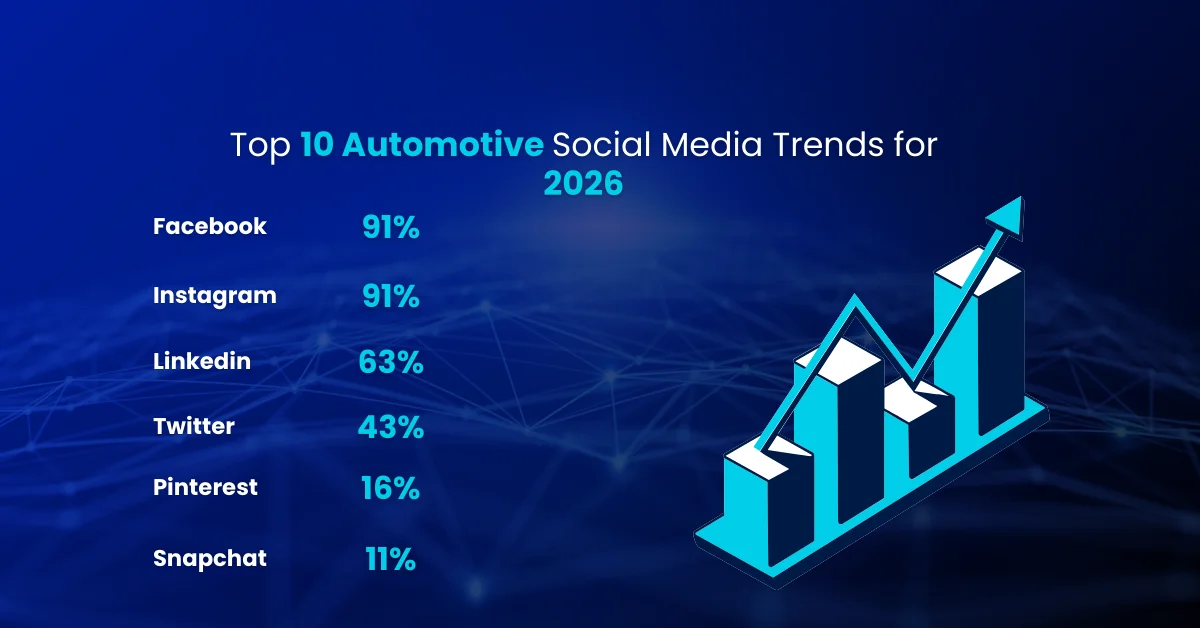
The digital world moves quickly, and the automotive industry is accelerating its adoption of new technologies and strategies. Staying ahead requires a keen awareness of the trends shaping consumer engagement. Here are the top 10 automotive social media trends to watch and implement in 2026.
- Connected Experiences: Brands are bridging the gap between digital and physical worlds. BMW, for instance, uses its app and social channels to create a seamless experience, allowing owners to remotely check their vehicle status, pre-condition the cabin, and receive personalized service reminders.
- Live Streaming & Virtual Events: Live events are no longer confined to convention centers. Tesla has perfected the art of the live-streamed product reveal, turning events like the Cybertruck unveiling into global cultural moments that generate massive organic reach and discussion.
- Gamification Campaigns: Interactive content is capturing audience attention. Porsche has used gamification by creating mobile racing games and interactive filters that allow users to “drive” their latest models, fostering a fun and memorable brand interaction.
- AR/VR Car Exploration: Augmented and Virtual Reality are transforming the virtual showroom. Audi’s AR feature lets users place a true-to-scale virtual model of a car in their own driveway using their smartphone, exploring colors and features in an immersive way.
- Sustainability & EV Messaging: As the market shifts, so does the message. Hyundai has successfully used social media to highlight its commitment to an electric future, focusing content on its IONIQ lineup’s eco-friendly technology, range, and positive environmental impact.
- AI-Powered Personalized Content: Artificial intelligence is enabling hyper-personalization at scale. AI algorithms can now analyze user data to deliver custom video ads or content suggestions based on a user’s previously viewed models or configured vehicles.
- Micro-Influencers & Niche Marketing: Authenticity is key. Brands are partnering with smaller, specialized influencers (e.g., overlanding enthusiasts, EV tech reviewers) whose dedicated followers trust their recommendations, leading to higher engagement than celebrity endorsements.
- Short-Form Video Dominance: Platforms like TikTok and Instagram Reels are non-negotiable. Car brands are using short, dynamic videos to showcase vehicle features, share quick maintenance tips, and participate in viral trends to connect with younger demographics.
- UGC & Community-Driven Engagement: User-Generated Content (UGC) is powerful social proof. Brands are encouraging owners to share photos and stories using specific hashtags, then re-sharing that content to build a vibrant and authentic community around the brand.
- Employee Advocacy to Amplify Reach: Your employees can be your best advocates. Dealerships encourage sales and service staff to share their expertise and behind-the-scenes content on their personal LinkedIn or Instagram profiles, humanizing the brand and extending its reach.
How to Build a Winning Automotive Social Media Strategy
A successful automotive social media presence doesn’t happen by chance. It is the result of a well-defined strategy that aligns with business goals and adapts to audience needs. Here is a step-by-step guide to building your own winning strategy.
- Set Clear Objectives & KPIs
What do you want to achieve? Your goals will dictate your tactics. Common objectives include:
- Increasing brand awareness (measured by reach, impressions).
- Generating leads (measured by form fills, website clicks).
- Driving website traffic (measured by Click-Through Rate, CTR).
- Boosting engagement (measured by likes, comments, shares).
- Increasing vehicle sales (measured by Return on Ad Spend, ROAS).
- Audience Segmentation & Targeting
You can’t talk to everyone at once. Segment your audience into distinct groups. For example:
- Prospective Buyers: Target based on interest in competitor brands, visits to automotive review sites, or recent life events (e.g., new parents).
- Current Owners: Target for service reminders, loyalty offers, and trade-in promotions.
- Brand Enthusiasts: Engage with community-building content, historical facts, and performance showcases.
- Platform-Specific Strategies
Different platforms serve different purposes.
- Instagram: Ideal for high-quality visuals, Reels, and influencer collaborations. Focus on brand storytelling and design.
- TikTok: Perfect for reaching younger audiences with short, trend-based videos, behind-the-scenes content, and “how-to” clips.
- Facebook: A powerful tool for local dealership marketing, community groups, customer service, and highly targeted advertising.
- YouTube: The go-to platform for in-depth car reviews, walk-arounds, tutorials, and brand documentaries.
- Content Planning & Calendar
Consistency is crucial. A content calendar helps you organize your posts and ensure a steady stream of valuable content. Use a mix of content pillars, such as promotional posts, educational content, user-generated features, and community engagement prompts.
Mini Content Calendar Template
| Week | Day | Theme | Content | Platform |
|---|---|---|---|---|
| Week 1 | Monday | Model Spotlight | IG Reel of new SUV interior | Instagram, TikTok |
| Week 1 | Tuesday | Tech Tip Tuesday | FB post on using infotainment | |
| Week 1 | Wednesday | Community | Share UGC photo | |
| Week 1 | Thursday | Throwback | Post vintage model | |
| Week 1 | Friday | Weekend Drive | Video of scenic route | YouTube, IG |
- Paid Campaigns & Retargeting
Organic reach is limited. Use paid social advertising to amplify your message. Implement retargeting campaigns to show specific ads to users who have already visited your website or engaged with your content, keeping your brand top-of-mind. - Real-Time Monitoring & Engagement
Social media is a conversation. Monitor mentions of your brand and keywords, respond to comments and messages promptly, and engage with your community. This builds trust and shows that you are listening.
Struggling with Low Engagement or Weak Social ROI?
Get expert guidance to define clear objectives, target the right audiences, build platform-specific content, and run data-driven campaigns that drive engagement, qualified leads, and measurable results.
Plan My Social Strategy the Right Way →
Measuring & Optimizing Performance
Launching a strategy is only half the battle. To ensure your efforts are delivering a positive return on investment (ROI), you must consistently measure, analyze, and optimize your performance. Focusing on the right metrics will provide the insights needed to refine your approach.
Key Metrics to Track:
- Engagement Rate: (Likes + Comments + Shares) / Followers. This shows how well your content is resonating with your audience.
- Click-Through Rate (CTR): The percentage of people who see your post or ad and click on the link. This is vital for measuring traffic-driving effectiveness.
- Return on Ad Spend (ROAS): For every dollar you spend on advertising, how much revenue do you generate? This is the ultimate measure of paid campaign profitability.
- Conversions: The number of users who complete a desired action, such as filling out a lead form, scheduling a test drive, or downloading a brochure.
- Sentiment Analysis: Are the conversations about your brand positive, negative, or neutral? This qualitative metric helps you understand brand perception.
Essential Tools for Measurement:
- Platform-Native Analytics: Facebook Business Suite, Instagram Insights, and YouTube Analytics provide a wealth of free data.
- Social Media Management Tools: Platforms like Hootsuite, Sprinklr, and Buffer offer advanced dashboards to track performance across multiple channels, schedule posts, and manage engagement.
- Web Analytics: Google Analytics is crucial for tracking how social media traffic behaves on your website and which channels are driving conversions.
- Competitive Analysis Tools: SEMrush can help you monitor competitors’ social media strategies and performance.
Tips for Optimization:
Analyze your data to identify what’s working and what isn’t. If video content drives the highest engagement, produce more of it. If ads targeting a specific demographic have a low CTR, adjust the creative or the audience parameters. A/B test different ad copy, headlines, and images to continually improve your results and maximize your ROI.
Advanced Tactics to Outperform Competitors
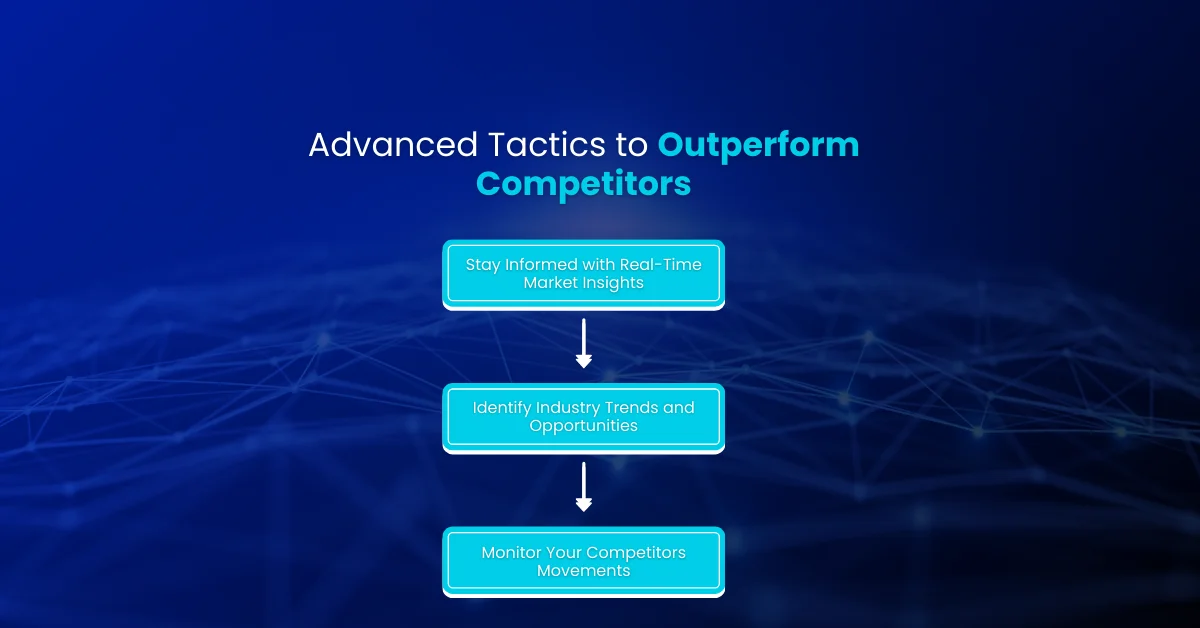
To truly lead the pack, you need to move beyond the basics and embrace advanced tactics that capture attention and drive results. These strategies can create a significant competitive advantage.
- Strategic Influencer & UGC Campaigns: Move beyond one-off influencer posts. Build long-term partnerships with credible automotive creators. Launch a dedicated UGC campaign by creating a unique hashtag and offering incentives for the best customer photos or videos. Volvo has done this effectively with its #VolvoMoment campaign, turning customers into brand storytellers.
- Immersive AR/VR and Gamification: Don’t just show the car; let people experience it. Develop an AR filter for Instagram that lets users “test drive” a car from their living room or create a branded mobile game that highlights a vehicle’s performance features. These interactive experiences are highly memorable and shareable.
- AI-Generated Visuals & Videos: Leverage artificial intelligence to create stunning and unique content. AI tools can generate futuristic concept car images, create dynamic video ads tailored to individual user preferences, or even draft creative social media copy, allowing your team to produce more content at a higher quality.
- Hyper-Localized Dealership Campaigns: National brand messaging is important, but sales happen locally. Run targeted ad campaigns for individual dealerships that feature local landmarks, sales team members, and community events. Use geo-fencing to serve ads to people who are physically near your dealership or a competitor’s lot.
- Automation & Chatbots for Lead Generation: Implement AI-powered chatbots on your Facebook page and website. These bots can answer common questions 24/7, qualify leads by asking screening questions, and even schedule test drives, freeing up your sales team to focus on high-intent buyers.
Conclusion
The role of social media in the automotive industry has evolved from a simple marketing channel into a central pillar of business strategy. It is the modern showroom, the community town hall, and a direct line to the heart of the consumer. For brands and dealerships, mastering automotive social media marketing is no longer a choice it is the key to building a resilient brand, fostering deep customer loyalty, and driving sustainable growth in 2026 and beyond. By understanding your audience, creating a robust strategy, embracing new trends, and consistently measuring your performance, you can move from simply being present on social media to actively leading the conversation. The road ahead is digital, and your ability to navigate it with skill and creativity will determine your position in the race. Start transforming your automotive social media strategy today.
Frequently asked questions
It depends on the goal. Facebook is often best for local lead generation and targeted ads due to its robust data. Instagram and YouTube excel at brand building and engaging with enthusiasts through high-quality visuals and video. TikTok is rapidly growing in importance for reaching younger demographics.
For UGC, create a branded hashtag and consistently encourage customers to share their experiences. Feature the best content on your official channels. For influencers, choose partners whose audience aligns with your target demographic and prioritize authenticity over follower count. Long-term partnerships often yield better results than single posts.

Written by
Ali Hamza
Marketing strategist
Ali Hamza is an SEO specialist and digital marketer with 7+ years of experience in SEO, content strategy, WordPress, and online growth marketing. He shares practical insights and industry-based strategies focused on improving search visibility, user experience, and long-term organic growth.