
By 2026, the artificial intelligence landscape will look vastly different than it does today. We are moving beyond simple chatbots and image generators into an era of agentic AI, hyper-personalization, and seamless integration with the physical world. For entrepreneurs and developers, this shift represents a golden era of opportunity. The market is no longer just about who has the best algorithm, but who can apply that intelligence to solve specific, high-value problems.
The global AI market is projected to continue its explosive growth, with industries ranging from healthcare to finance clamoring for smarter, more efficient solutions. If you are looking to launch a startup, the key is to look ahead not at what AI can do right now, but what it will be capable of in the near future.
This guide explores 13 cutting-edge AI app ideas ripe for development in 2026, along with a roadmap for building, monetizing, and scaling your venture.
Why Focus on AI App Development in 2026?
The timing for entering the AI market has never been better. While the initial “gold rush” of generative AI has settled, the second wave focused on utility, reliability, and integration is just beginning.
Market analysis suggests that by 2026, AI adoption will be standard practice rather than a novelty. Businesses that haven’t integrated AI will be playing catch-up, creating a massive B2B market for specialized tools. Simultaneously, consumers are becoming more comfortable with AI assistants, health monitors, and educational tools, driving demand in the B2C sector.
The competitive advantage in 2026 lies in niche application. Generalist models (like GPT-5 or its successors) will provide the infrastructure, but specialized apps that fine-tune these models for specific verticals like elder care, quantum simulation, or personalized education will capture the most value.
Top AI App Ideas for 2026
Here are 13 concepts that leverage the anticipated technological advancements of 2026.
1. Next-Gen AI Personal Assistant Apps
Problem: Fragmented digital life and time management.
How AI Makes It Better: Fully autonomous agents that anticipate needs and manage tasks end-to-end.
Target Users: Busy professionals, families, students.
Revenue Model: Subscription, freemium upgrades, integrations with premium services.
2. Machine Learning Health Monitoring
Problem: Incomplete and siloed personal health tracking.
How AI Makes It Better: Aggregates and analyzes data from multiple devices for predictive health insights.
Target Users: Health-conscious individuals, seniors, patients managing chronic conditions.
Revenue Model: Subscription, B2B licensing to clinics, data partnerships.
3. Hyper-Personalized AI Financial Advisors
Problem: Lack of accessible, personalized financial guidance.
How AI Makes It Better: Real-time expense analysis, investment optimization, and proactive saving.
Target Users: Everyday consumers, young investors, gig workers.
Revenue Model: Subscription tiers, asset management fees, affiliate partnerships.
4. Smart Home Automation Orchestrators
Problem: Disjointed smart home devices with no unified intelligence.
How AI Makes It Better: Automates and optimizes all household systems for comfort, efficiency, and savings.
Target Users: Homeowners, renters, facility managers.
Revenue Model: Subscription, device integrations, energy-saving partnerships.
5. AI-Powered Educational Web App Ideas
Problem: One-size-fits-all online education lacks personalization.
How AI Makes It Better: Adaptive curricula and explanations based on individual learning patterns.
Target Users: Students, professionals upskilling, educators.
Revenue Model: Subscription, pay-per-course, institutional licensing.
6. AI Art & Design Collaborators
Problem: Barriers in rapid prototyping and creative iteration.
How AI Makes It Better: Real-time generation, refinement, and cross-media adaptation of design assets.
Target Users: Designers, artists, marketing teams, architects.
Revenue Model: SaaS subscriptions, usage-based fees, agency partnerships.
7. Emotion-Sensing Chatbots for Mental Wellness
Problem: Limited access to timely and empathetic mental health support.
How AI Makes It Better: Conversational models that detect user emotion and adapt interaction accordingly.
Target Users: Individuals seeking mental wellness support, students, remote employees.
Revenue Model: Freemium with premium therapy features, affiliate mental health resources.
8. Virtual Reality (VR) Therapy Apps
Problem: Traditional therapy methods can be inaccessible or slow to adapt.
How AI Makes It Better: Real-time adaptive therapy scenarios based on biometric feedback.
Target Users: Patients with anxiety, PTSD, phobias, or social challenges.
Revenue Model: SaaS, per-session fees, partnerships with clinics and insurers.
9. AI-Powered Market Analysis Tools
Problem: Overwhelming and inconsistent streams of market data.
How AI Makes It Better: Aggregates, analyzes, and generates actionable market intelligence instantly.
Target Users: Startups, investment firms, corporate strategists.
Revenue Model: SaaS, licensing to enterprises, paid analytics packages.
10. Predictive Maintenance Apps for IoT
Problem: Unexpected equipment failures and downtime.
How AI Makes It Better: Predicts failures, automates maintenance scheduling and parts ordering.
Target Users: Factories, facility managers, logistics providers.
Revenue Model: SaaS, usage-based pricing, B2B integrations.
11. Quantum Computing Simulation Apps
Problem: Limited access to real quantum hardware for development and education.
How AI Makes It Better: Simulates quantum environments and optimizes algorithm design.
Target Users: Researchers, universities, enterprise R&D teams.
Revenue Model: Subscription, institutional licenses.
12. Drone & Robotics Management Apps
Problem: Inefficient and risky management of autonomous fleets.
How AI Makes It Better: Optimizes routing, task allocation, and prevents operational conflicts.
Target Users: Logistics firms, delivery services, warehouses.
Revenue Model: SaaS, pay-per-use, corporate licensing.
13. Nanobot Health Monitors
Problem: Lack of real-time, internal health monitoring.
How AI Makes It Better: Interfaces with nanotech for early diagnosis and treatment tracking.
Target Users: Patients with chronic or complex conditions, healthcare providers.
Revenue Model: Licensing to hospitals, device makers, premium patient subscriptions.
Building an AI Product Without Wasting 6–12 Months?
AI ideas are easy. Executing them with the right data pipeline, model selection, infrastructure, and monetisation strategy is not. We help founders and teams validate demand, define the MVP properly, and architect scalable AI systems from day one.
Book a Strategy Consultation →
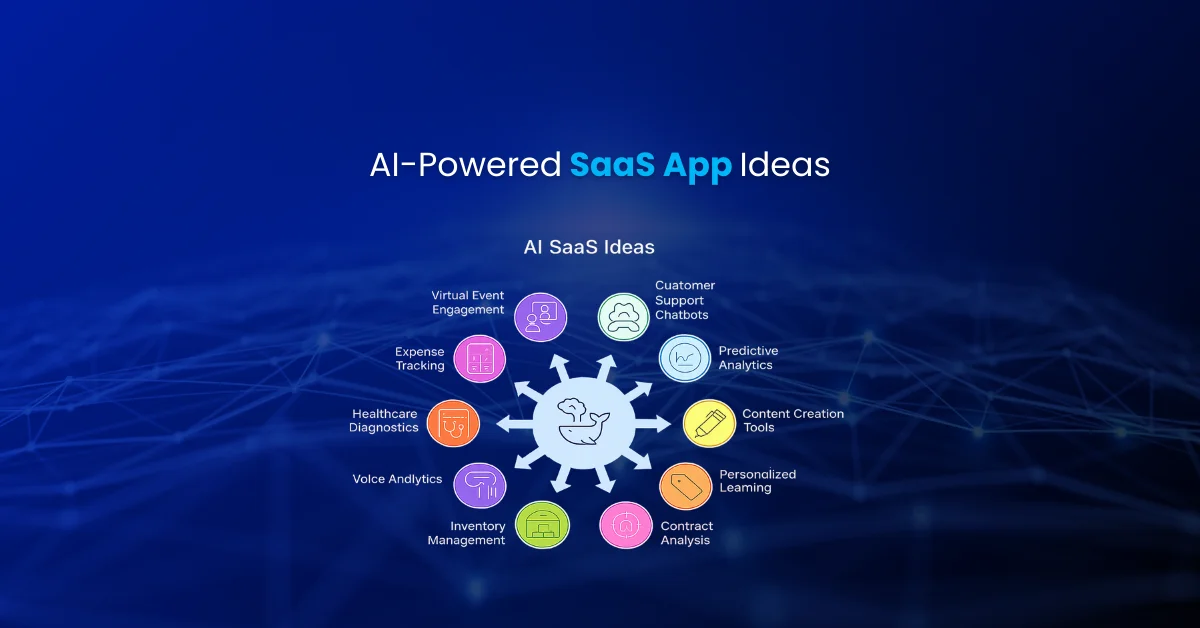
AI-Powered SaaS App Ideas (2026)
1. AI Subscription Management Platforms
Problem: Users and businesses waste money on unused subscriptions.
How AI Makes It Better: Monitors subscription usage, predicts churn, cancels or suggests consolidations automatically.
Target Users: Consumers, SMEs, enterprises.
Revenue Model: SaaS subscription (per user/company), affiliate revenue with partner services.
2. AI Influencer Campaign Intelligence Tools
Problem: Brands struggle to find authentic influencers and measure true ROI.
How AI Makes It Better: Scans social platforms for real engagement, segments influencers by relevance, predicts campaign effectiveness.
Target Users: Marketers, agencies, DTC brands.
Revenue Model: SaaS, per-campaign analysis fees, marketplace commission.
3. AI Niche CRMs (Law Firms, Clinics, Agencies)
Problem: Generic CRMs lack industry-specific automations and insights.
How AI Makes It Better: Automates intake, compliance checks, follow-ups, and case notes tailored to verticals.
Target Users: Niche service businesses.
Revenue Model: Vertical-focused SaaS, onboarding/training fees.
4. AI Social Content Planning Assistants
Problem: Manual scheduling and ineffective timing for social posts.
How AI Makes It Better: Suggests content topics, generates copy, predicts best publishing windows based on audience data.
Target Users: Social media managers, SMBs, creators.
Revenue Model: SaaS, per-channel upsell, sponsored post insights.
5. AI Operations & Booking Automation
Problem: Service businesses face scheduling conflicts and inefficient booking.
How AI Makes It Better: Predicts peak demand, auto-optimizes appointments, and handles reminders/changes with natural language.
Target Users: Salons, clinics, fitness studios, consultancies.
Revenue Model: Tiered SaaS, per-booking fee.
6. AI No-Code Workflow Builders
Problem: Non-technical staff struggle with digital process automation.
How AI Makes It Better: Converts plain-language goals into automated workflows (e.g., “remind clients before appointments”).
Target Users: Startups, SMBs, operations teams.
Revenue Model: Freemium, premium templates, usage credits.
7. AI Contract Analysis & Negotiation Platforms
Problem: Reviewing and negotiating contracts drains legal and business resources.
How AI Makes It Better: Auto-highlights risks, suggests clauses, and compares terms with industry standards.
Target Users: Law firms, procurement teams, startups.
Revenue Model: SaaS, per-document pricing, legal partner integrations.
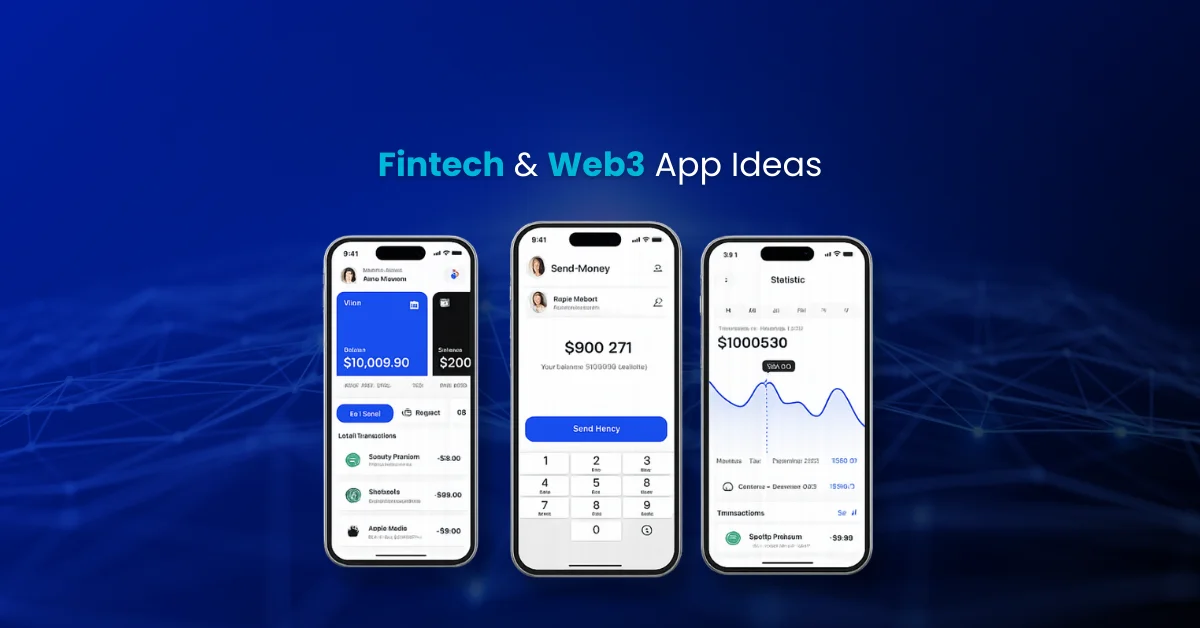
Fintech & Web3 App Ideas
1. AI-Powered Personal Finance Coaches
Problem: Users struggle with financial literacy and planning.
How AI Makes It Better: Gives real-time coaching, custom budgeting, bill predictions, and alerts.
Target Users: Millennials, Gen Z, gig workers.
Revenue Model: Freemium, premium coaching add-ons, affiliate financial products.
2. AI Fraud & Risk Detection Platforms
Problem: Financial businesses face rising threats of fraud and regulatory breaches.
How AI Makes It Better: Monitors transactions in real time, flags anomalies, predicts vulnerabilities, auto-generates compliance reports.
Target Users: Banks, fintechs, payment processors.
Revenue Model: SaaS, per-transaction or license, compliance audit fees.
3. AI ESG & Sustainable Spending Trackers
Problem: Consumers and companies want to validate ESG claims and reduce unsustainable spending.
How AI Makes It Better: Categorizes transactions, rates vendors on ESG performance, suggests greener alternatives.
Target Users: Eco-conscious consumers, ESG-focused investors, SMBs.
Revenue Model: Subscription, branded sponsorships, data partnerships.
4. AI Smart Contract Auditing Tools
Problem: Costly errors and exploits in Web3 smart contracts.
How AI Makes It Better: Analyzes code for vulnerabilities, offers improvement suggestions, and provides audit trails.
Target Users: Web3 startups, DAOs, blockchain devs.
Revenue Model: Audit-as-a-service, per-contract fee, premium dashboards.
5. AI Micro-Investment Optimization Apps
Problem: Small investors struggle to maximize returns and diversify.
How AI Makes It Better: Suggests micro-investment schedules, rebalances portfolios, and alerts users of market changes.
Target Users: Retail investors, students, savings platforms.
Revenue Model: Asset under management fee, freemium insights.
6. AI RegTech Automation Solutions
Problem: Keeping pace with regulatory change is costly and complex.
How AI Makes It Better: Monitors laws, auto-updates compliance documentation, and flags at-risk processes.
Target Users: Fintech, insurance, corporate compliance teams.
Revenue Model: SaaS, per-compliance workflow fee.
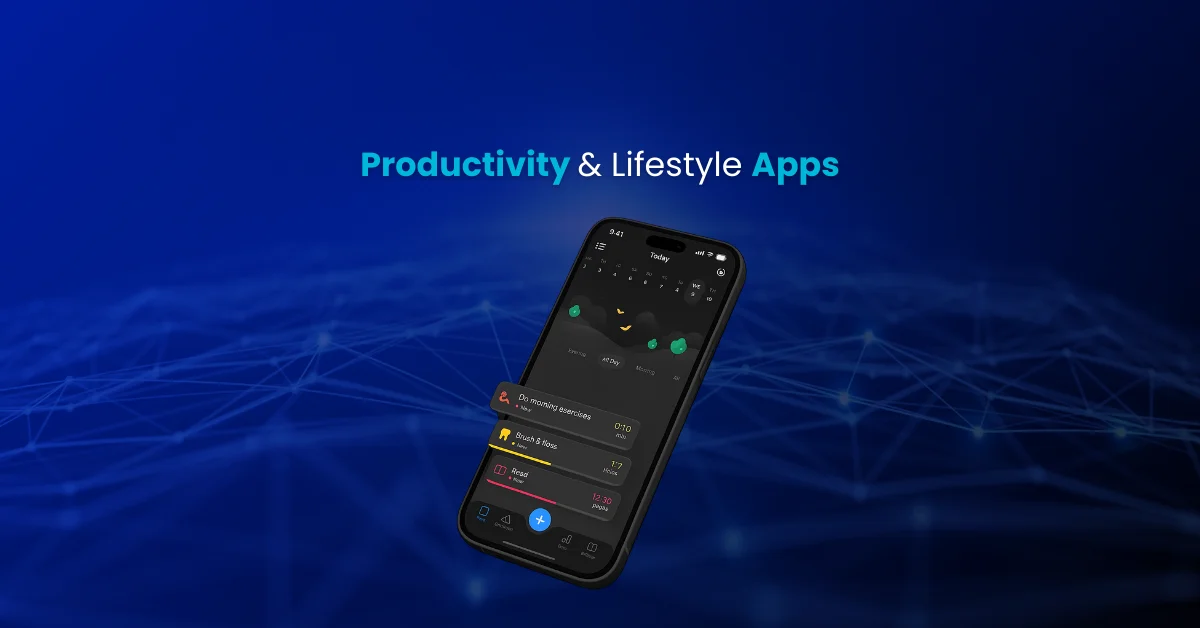
Productivity & Lifestyle Apps
1. AI Habit & Behavior Change Apps
Problem: Sticking to new habits or breaking bad ones is difficult.
How AI Makes It Better: Personalizes habit tactics, offers nudges, and adapts approach based on user engagement.
Target Users: Consumers, wellness coaches, students.
Revenue Model: Freemium, premium coaching, brand partnerships.
2. AI Digital Decluttering Assistants
Problem: Overwhelmed with digital files, emails, and notifications.
How AI Makes It Better: Cleans inboxes, organizes files, summarizes unread messages, and auto-tags content.
Target Users: Professionals, solopreneurs, students.
Revenue Model: One-time or monthly subscription.
3. AI Meal Planning & Grocery Intelligence
Problem: Planning balanced meals and shopping efficiently is time-consuming.
How AI Makes It Better: Suggests recipes, auto-builds grocery lists, finds deals, adjusts for dietary restrictions.
Target Users: Families, busy professionals, people with dietary needs.
Revenue Model: Subscription, affiliate links to grocery services.
4. AI Student Productivity Planners
Problem: Students struggle with organizing assignments and studying effectively.
How AI Makes It Better: Builds schedules, adapts study tactics, predicts focus times, and tracks deadlines.
Target Users: High school, college students, educational institutions.
Revenue Model: Freemium, school-wide licenses, in-app booster packs.
5. AI Work-Life Balance Coaches
Problem: Difficulty in separating work and personal time, leading to burnout.
How AI Makes It Better: Monitors workload, suggests break times, analyzes patterns to recommend boundaries.
Target Users: Remote workers, freelancers, HR departments.
Revenue Model: Subscription, corporate employee wellness plans.
6. AI Language Learning Conversation Partners
Problem: Lack of immersive, real-life practice for language learners.
How AI Makes It Better: Simulates conversation, offers instant feedback, adapts challenges to level.
Target Users: Language learners, travelers, schools.
Revenue Model: Freemium, language pack expansions.
Community & Social AI Platforms
1. AI Community Moderation & Sentiment Tools
Problem: Online communities face harassment, spam, and toxicity.
How AI Makes It Better: Monitors posts, auto-blocks abusive content, summarizes trends in sentiment.
Target Users: Forums, social platforms, creator communities.
Revenue Model: SaaS for communities, tiered per-member pricing.
2. AI Skill-Sharing Marketplaces
Problem: Difficult for people to monetize niche skills or find mentorship.
How AI Makes It Better: Matches learners to experts, customizes learning paths, manages payments/scheduling.
Target Users: Hobbyists, professionals, peer mentors.
Revenue Model: Commission, premium profiles, featured listings.
3. AI Creative Collaboration Platforms
Problem: Creative teams struggle to coordinate ideas and timelines.
How AI Makes It Better: Suggests collaborators, manages projects, automatically merges creative changes.
Target Users: Agencies, artists, ad firms, indie teams.
Revenue Model: Subscription, project-based fees.
4. AI Local Discovery & Recommendation Engines
Problem: Finding trustworthy events, activities, or businesses nearby is tough.
How AI Makes It Better: Analyzes user preferences, local data, and reviews for hyper-personalized suggestions.
Target Users: Urban dwellers, tourists, local businesses.
Revenue Model: Freemium for users, business listing fees.
5. AI Social Content Discovery Hubs
Problem: Overwhelming volume and fragmentation of content across platforms.
How AI Makes It Better: Curates feeds, recommends content, enables easy cross-platform sharing.
Target Users: Content creators, publishers, influencers.
Revenue Model: Ad revenue, sponsored content, premium curation.
6. AI Group Event Coordination Apps
Problem: Organizing group schedules for events is complicated and time-consuming.
How AI Makes It Better: Finds optimal times, manages RSVPs, automatically books venues or services.
Target Users: Social organizers, families, friend groups.
Revenue Model: In-app purchases, affiliate event partners.
Validating an AI App Idea Before You Build?
Great AI ideas fail without the right architecture, data strategy, and monetisation model. If you are exploring how to turn one of these AI concepts into a scalable product, we can help you validate demand, define the MVP scope, select the right AI stack, and design infrastructure that supports long-term growth.
Whether you are building a B2B SaaS tool, consumer AI app, or enterprise platform, the difference is in execution.
Beginner-Friendly AI App Ideas
1. AI Resume & Cover Letter Optimizers
Problem: Job seekers find it hard to create impactful application materials.
How AI Makes It Better: Provides instant feedback, custom templates, and optimizes for job descriptions.
Target Users: Students, recent graduates, job-changers.
Revenue Model: Freemium, single-pay downloads, premium editing packages.
2. AI Note Summarizers
Problem: Manually summarizing meeting notes or study materials takes time.
How AI Makes It Better: Instantly condenses lectures, articles, or mins into key bullet points.
Target Users: Students, professionals, researchers.
Revenue Model: Freemium usage, education partner licensing.
3. AI Study Assistants
Problem: Students need adaptive help learning complex subjects.
How AI Makes It Better: Answers questions, quizzes users, creates flashcards, and explains concepts simply.
Target Users: K-12 and university students, tutors.
Revenue Model: Freemium, premium boosters, school-wide licenses.
4. AI Micro-Tools (Timers, Planners, Generators)
Problem: People want simple tools tailored to unique workflows.
How AI Makes It Better: Customizes timers, planners, or text/image generators to personal habits.
Target Users: Indie hackers, students, freelancers.
Revenue Model: App store sales, ad-supported versions.
5. AI Photo Enhancer & Background Remover
Problem: Editing or improving photos for social or business use is hard for non-experts.
How AI Makes It Better: One-click subject extraction, auto enhancement, easy resizing and sharing.
Target Users: Influencers, e-commerce sellers, casual social users.
Revenue Model: Freemium, watermark removal upcharge.
6. AI Email Drafting Assistants
Problem: Writing professional emails is time-consuming and error-prone.
How AI Makes It Better: Suggests edits, auto-completes messages, improves tone and grammar.
Target Users: Job seekers, business professionals, students.
Revenue Model: SaaS, volume-based pricing.
7. AI Simple Website Builders
Problem: Many lack technical skills to launch basic web projects.
How AI Makes It Better: Drag-and-drop builder that also writes SEO-optimized copy and selects images.
Target Users: Indie hackers, students, small business owners.
Revenue Model: Subscription, one-time purchase, hosting upsells.
Continue reading for a step-by-step guide on how to build an AI app, monetization strategies, and insights into the future of emerging app categories.
Having a great idea is only the first step. Executing it requires a strategic approach to development.
Idea Validation and Prototyping
Many founders choose to work with a structured AI MVP development teamat this stage to reduce technical risk and accelerate launch timelines.
Before writing a single line of code, validate your assumption. Use landing pages or “Wizard of Oz” tests (where a human simulates the AI) to see if people will pay for the solution. Once validated, move to prototyping. Tools like Figma now have AI plugins that can help you visualize the interface rapidy.
Building the MVP (Minimum Viable Product)
Don’t try to build the “perfect” AI model from scratch. Leverage existing powerful APIs.
- OpenAI API: Ideal for natural language tasks, content generation, and coding assistance.
- TensorFlow & PyTorch: The industry standards for building custom machine learning models if off-the-shelf APIs don’t meet your needs.
- Hugging Face: A massive repository of pre-trained models that you can fine-tune for specific tasks (e.g., medical image analysis or legal document review).
Focus on the core feature that solves the user’s problem. If you are building a nutrition app, the MVP should perfectly calculate macros from a photo of food. The community features and gamification can wait.
If you are planning to move from prototype to production, working with an experienced AI app development partner can prevent costly architectural mistakes later.
Scaling and Infrastructure
AI apps are resource-intensive. As you scale, you will need robust cloud infrastructure. Services like AWS SageMaker or Google Vertex AI provide managed environments to deploy and scale your models. You must also consider latency; for real-time apps (like voice translation), edge computing processing data on the device rather than the cloud will be crucial in 2026.
Designing scalable, cloud-native AI systemsrequires careful infrastructure planning, especially for real-time applications.
Monetization & Business Models
How do you turn these AI app ideas into profitable businesses?
Subscription (SaaS)
This is the most common model. Users pay a monthly fee for access to the tool. It works best for productivity apps, financial advisors, and educational platforms where the user derives ongoing value.
Freemium
Offer a basic version of the app for free (e.g., a chatbot with limited queries per day) and charge for premium features (unlimited queries, faster processing, advanced analytics). This is excellent for user acquisition.
Enterprise Licensing
For B2B apps like predictive maintenance or market analysis, selling licenses to large corporations is highly lucrative. These contracts often include customization, support, and service level agreements (SLAs).
Pay-Per-Use (API Call)
If your app performs a specific, high-compute task (like rendering a high-res 3D model or analyzing a complex legal contract), you might charge per transaction. This aligns your revenue directly with your server costs.
AI vs Non-AI Apps: Why AI is the Competitive Edge
| Feature | Non-AI Apps | AI Apps |
|---|---|---|
| Cost | Higher manual labor and upkeep | Lower long-term costs via automation |
| Automation | Basic functions, rules-based | Advanced processes, adapts and learns |
| Scalability | Limited by manual input/processes | Easily scales, self-improving over time |
| Personalization | Generic experiences, static content | Dynamic, personalized user journeys |
Which AI App Ideas Are Most Profitable in 2026?
When it comes to profitability, different categories of AI app ideas offer unique opportunities in 2026:
- B2B AI Apps
Rank: #1
These solutions solve business pain points think AI-powered SaaS tools for compliance, analytics, or workflow automation. They command higher pricing, benefit from long-term contracts, and often see strong retention rates due to business-critical integrations. - Enterprise AI Platforms
Rank: #2
Enterprise-focused AI platforms (like custom AI-driven CRM or predictive maintenance systems) win with volume and customization. They bring recurring revenue through licensing and service agreements, but require longer sales cycles and high-touch support. - Consumer AI Apps
Rank: #3
While the consumer market is enormous, it’s also fiercely competitive and price-sensitive. AI-powered lifestyle, productivity, and wellness apps can earn millions with the right model, but often depend on virality and recurring engagement for sustained growth.
Profitability is highest in niches where AI deeply automates core business or operational needs, especially in B2B and enterprise contexts, while consumer-focused solutions shine when paired with large user bases and creative monetization strategies.
Many high-growth companiesinvest in custom AI SaaS platforms to secure long-term competitive advantage.
Challenges & The Future of AI Apps
The path to 2026 is not without obstacles. As AI becomes more powerful, regulatory scrutiny will increase.
Privacy and Data Security
Users are becoming increasingly protective of their data. Apps that process health or financial data must adhere to strict standards (GDPR, HIPAA, and their future equivalents). “Privacy-first” AI, where data is processed locally on the device rather than sent to the cloud, will become a major selling point.
Bias and Ethics
AI models can inadvertently perpetuate biases present in their training data. Developers must actively audit their algorithms to ensure fair treatment across different demographics. Failure to do so can lead to reputational damage and legal liability.
Looking Beyond 2026
Trends for 2026-2030 suggest a move toward Artificial General Intelligence (AGI)capabilities, where apps can transfer learning from one domain to another. We will also see the rise of “invisible AI,” where the technology becomes so integrated into our environment that we stop noticing it as a distinct app, treating it instead as ambient intelligence.
Innovating for the Future
The opportunities for AI mobile app ideas and web platforms in 2026 are limitless. Whether you are improving mental health, optimizing supply chains, or redefining education, the technology is ready to support your vision. The winners in this space will be those who prioritize user experience, data privacy, and genuine utility over hype.
Start validating your ideas today. The code you write now could define the landscape of tomorrow.
Validating an AI idea before investing six figures?
The difference between a promising AI concept and a scalable product is architecture, data strategy, and commercial clarity. We help founders and product teams define the right MVP, select the correct AI stack, and build infrastructure that supports long-term growth.
Frequently asked questions
Not necessarily. With the rise of low-code/no-code platforms and powerful APIs from companies like OpenAI and Google, developers can integrate sophisticated AI features without building models from scratch. However, having a data scientist on your team is beneficial for fine-tuning and specialized tasks.
Costs vary wildly based on complexity. A simple wrapper around an existing API could cost $10,000-$20,000 to launch. A complex app requiring custom machine learning models, proprietary data training, and high-end security could easily exceed $100,000 to $500,000 for an MVP.
Regulatory compliance and platform dependency. If your entire business relies on a third-party API (like GPT), a price hike or policy change from the provider can threaten your business model. It is wise to have a plan for model independence or diversification.
Yes! AI-powered study planners, automated note-summarizers, and citation generators are excellent entry-level ideas. AI-powered educational web app ideas that gamify complex subjects like chemistry or coding are also in high demand.
Facebook LinkedIn Threads Pinterest

Written by
Ali Hamza
Marketing strategist
Ali Hamza is an SEO specialist and digital marketer with 7+ years of experience in SEO, content strategy, WordPress, and online growth marketing. He shares practical insights and industry-based strategies focused on improving search visibility, user experience, and long-term organic growth.